
Literacy Resources to Help if Your Child is Struggling with Reading
If your child is struggling with reading and literacy, you and the school can work together to help them catch up. Here, we have resources to help you identify the trouble spots, work with the team at school, and practice at home with your child.

How to Improve My Child's Reading and Writing Skills: Getting The Right Resources
By offering easy-to-follow information, advocacy and skill-building tools, and connections to other caregivers, Exceptional Lives provides families, caregivers, and professionals the level of support and compassion necessary to see your children thrive in an educational environment.
What Resources Can Help My Child’s Literacy Skills? What Are The First Steps?
We know that for your child, improving literacy skills can be a long and difficult task. We also know it’s difficult as parents to try and guide our children to improvement without any resources or support. So we end up asking ourselves: “how do I improve my child’s reading and writing skills?”
Since every child is different and has different challenges, it’s important to think about their specific needs when you’re looking for resources.
The first step to helping improve your child’s literacy skills is recognizing where they might be struggling. To help identify your child’s trouble spots specifically, we’ve broken down the components of literacy for you:
- Phonics and Decoding – Phonics is understanding how letters represent sounds. Decoding is using that knowledge to “sound out” words.
- Fluency – The ability to read smoothly and accurately, with expression.
- Vocabulary – The words a person knows.
- Comprehension – Understanding what the text is saying.
- Writing – Putting ideas into words in print.
If you suspect that your child is struggling with reading and writing, here are the first steps:
- Explore your concerns with your child’s teacher (if they are not yet in school, talk to your doctor)
- Ask the school to do an evaluation for your child so you can better understand why they are struggling
- Identify ways to support your child in making progress at school and at home
Has your child benefitted from resources in the past but now something isn’t working? Here is how to help them get back on track:
- Let the IEP team (if your child has one) or your child’s teacher know about your concerns. Trouble spots can change over time. Third grade is a time when many students begin to struggle with reading and writing.
- Ask for an IEP meeting (you don’t have to wait for your annual meeting) so you and the team can decide what may need to change.
- Track your child’s progress with the new services and accommodations to see if the approach is helping.
Is your child getting ready to finish high school? Here are the first steps to help them prepare for life after high school:
- Get in contact with the Office of Disability Services (different colleges may have different names for this) at your child’s college and ask them how to get your child registered.
- Explore approaches for your child to tackle reading and writing on their own.
- Ensure you have all your student’s paperwork and that all of it is up to date.
Literacy FAQs
Our short pieces about literacy, learning disabilities and how to help if your child is struggling with reading:
Contact us- From 3rd grade on, students rely on literacy skills for all other classwork, like science, math and social studies.
- Literacy skills are critical for many life activities. Adults with high-school-level literacy skills get better jobs and are healthier than those with lower skills.
- A good foundation will prepare our children for success in all aspects of their life!
Read more about why literacy is such an important life skill
The first step in supporting your child’s literacy is to recognize where they might be struggling. Ask their teacher which skills to work on. Your child may need to focus on one or more of these components:
- Phonics and Decoding – Phonics is understanding how letters represent sounds. Decoding is using that knowledge to “sound out” words.
- Fluency – The ability to read smoothly and accurately, with expression.
- Vocabulary – The words a person knows.
- Comprehension – Understanding what the text is saying.
- Writing – Putting ideas into words in print.
Learning disabilities do not have anything to do with a person’s intelligence. They are caused by differences in the brain and they affect the way the brain processes information.
Schools can test students for learning disabilities, and help them learn using specialized teaching strategies. It’s important to identify learning disabilities as early as possible and get your child the help they need.
- Dyslexia is common, affecting 5-10% of people. It affects their ability to connect letters to sounds, making it hard to read and spell. Most states require schools to screen for dyslexia between kindergarten and 3rd grade. Ask your teacher if you are concerned. Learn more about dyslexia.
- Dysgraphia affects 5-20% of people. It impairs writing ability and fine motor skills. Many people with dysgraphia will go their whole lives undiagnosed. Learn more about dysgraphia.
- Explore your concerns with your child’s teacher. Ask if they can add some interventions (strategies) to help with your child’s trouble spots.
- Keep in touch with the teacher and support team at school. They can help you monitor your child’s progress and give you ideas on how to help at home.
- If the new strategies don’t help your child make progress, ask the school to do an evaluation to see if they qualify for Special Education services.
Read more about how the school can help
The first answer is read, read, read! Have lots of books and other print materials at home–ones about topics your child likes. Read to them, let them read to you, and read together. Make it fun and give lots of encouragement!
Ask their teacher for specific ways to practice the parts of literacy they need to work on, like sounding out words or reading fluently. Keep in touch with the school so you can monitor progress and adjust their plan if needed.
All students take state standardized tests in grades 3-8, and at least once in high school. The tests can tell how well your child has learned the material that is required by the state, and also how well the school is educating all its students.
This testing can be intimidating for students who struggle with reading. Your school can help you find ways to help your child practice. Here are some other resources:
Practice for the testing in your state
Louisiana – LEAP is the Louisiana Educational Assessment Program. Louisiana Believes has practice tests for LEAP that you and your child can go through for preparation.
Massachusetts – MCAS is the Massachusetts Comprehensive Assessment System. The MCAS Resource Center has practice tests for MCAS that cover English Language Arts that you and your child can go through for preparation
Step-By-Step Guides
What is Literacy and What Are Reading and Writing Disabilities?
The ultimate goal of reading is for a person to understand and get meaning from what they read. When a child has a literacy-related disability it is more difficult for them to fully understand the material.
So how can I tell if my child is struggling with literacy? With some kids, it’s easier to tell than others. With each grade level a student is expected to improve their literacy skills, but ultimately every student will have their own strengths and weaknesses. Resources like Great Schools provide videos and informative directories of what literacy skills are to be expected for a student in each grade level.
Whether you are just finding out about your child’s trouble with literacy skills or you’ve been at the journey for a while, there are resources to benefit you and your child in school and at home.
Understanding Two Common Learning Disabilities: Dyslexia and Dysgraphia
These disabilities do not have anything to do with a person’s intelligence. They are caused by differences in the brain and they affect the way the brain processes information.
Dyslexia is a common disability that affects 5-10% of people. It is a language based learning difference that affects a person’s ability to connect letters to sounds, making it hard to read and spell. A person with dyslexia will read below what would be expected despite having normal or even above average intelligence. Learn more about dyslexia.
Dysgraphia affects 5-20% of people. Many people suffering from dysgraphia will go their whole lives undiagnosed. Dysgraphia is a neurological disorder of written expression that impairs writing ability and fine motor skills. It is a learning disability that affects children and adults, and interferes with practically all aspects of the writing process. Learn more about dysgraphia.
Search our Disability Services Finder for Louisiana (en español) or Massachusetts (en español) to find reading and writing support and other kinds of disability-related services in your area.
Is your child struggling with literacy skills?
Here are some resources to help you out!
Does your child have a new diagnosis of a reading or writing disability?
Here are some resources to help you out!
Does your child have support in place but they are still struggling?
Here are some resources to help you out!

Is your child struggling with literacy skills and getting ready to finish high school?
Here are some resources to help you out!


Response to intervention (RTI)
A system of trying different teaching strategies, or interventions, to help a child who is struggling in school before referring them for special education services. There are different levels that increase in intensity. When a lower-level strategy doesn’t work, the school will try the next level. If these do not help a child make progress, the next step is to get a special education evaluation. More about RTI.
Fluency
Fluency is the ability to read smoothly and accurately, with expression. It is a key component of literacy and a necessary skill for understanding what you read. More about fluency and other literacy components.
Grade-Level Expectations
Students are expected to have certain skills and knowledge in each grade, and these build on each other throughout the school years. States have their own standards of what skills and knowledge students in each grade should have. School assessments during each year track students’ performance to see if they are still at grade level. More about grade-level expectations.
Parent Perspectives: How To Improve My Child's Reading and Writing Skills
Know that you are not alone in this journey! By hearing from other parents and providers caring for children with disabilities you can learn from other’s experiences and thoughts. Learn how they navigate their own challenges in our webinars, podcasts, and blogs that present various resources and topics for more information about Special Education.
Is your child struggling with literacy skills?
Here are some resources to help you out!
One Quick Question: What are the components of literacy?
How do children learn to read? Watch this 2-minute video about the most important early reading skills and how you can help your child gain those skills.

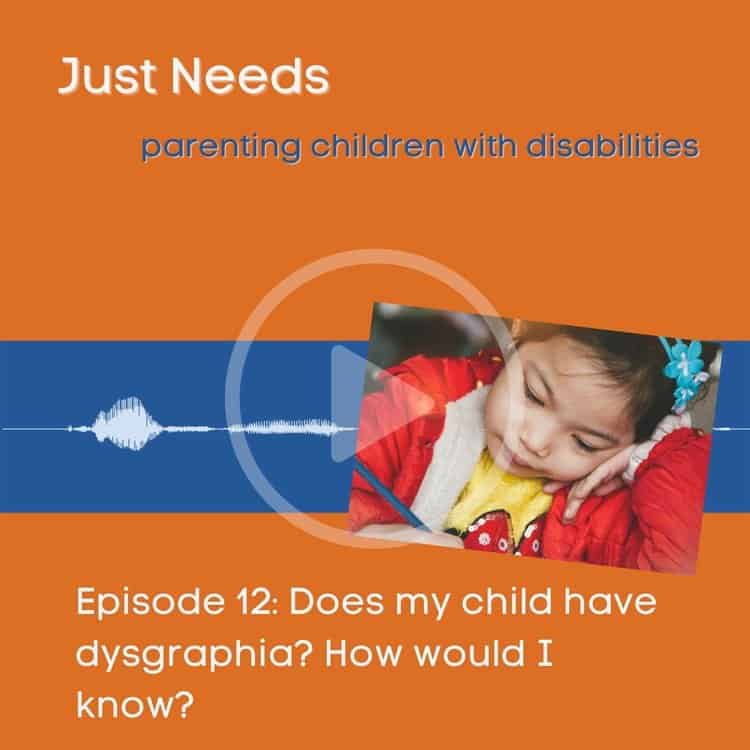
Does my child have dysgraphia? How would I know?
Dysgraphia is a learning disability that interferes with a person’s ability to express their ideas in writing. But you may not even know what it is. Here’s what to look for and what to do if your child is struggling. Narrated by Christina Kozik; Written by Julie McIsaac

My Child is Struggling with Reading…Could it be DYSLEXIA?
Dyslexia is the most common learning disability, but many families don’t know if their child has it. In this blog we talk about the warning signs and how to get support from the school.
Literacy FAQ: How do I help my child learn to read? (video)
This 2-minute video discusses the different parts of literacy, how the parts work together, and how you can help your child learn to read.
Is your child struggling with reading? Here are 5 ways you can help at home.
Many children have trouble with reading and literacy. But there are ways you can help at home! See these 5 tips on how to help if your child struggles with reading.




Does your child have a new diagnosis of a reading or writing disability?
Here are some resources to help you out!
One Quick Question: How can the school help if my child is having trouble reading?
If your child is having trouble reading, their school can help. Watch this video to see how.

Literacy FAQ: What can the school do to help if my child is struggling with reading? (Video)
Watch this 2-minute video for tips on how to partner with your child’s school to help your child that may be struggling with reading.
One Quick Question: How do I help my struggling reader?
En este video, una experta explica cómo ayudar a tu hijo si tiene dificultades para leer, por ejemplo, al identificar áreas de dificultad



Does your child have support in place but they are still struggling?
Here are some resources to help you out!
What is Response to Intervention (RTI) and how can it help if my child struggles in school?
Response to intervention is a system schools use to help students who are struggling. If your child has a disability, RTI may help. Here’s what you should know.
Literacy FAQ: Where do I start to help my child catch up with reading skills? (video)
Watch this 2-minute video to learn some ways to help your child catch up with reading skills.
Is your child struggling with reading? 6 ways their school can help
Many children have reading problems in the early grades, but schools have strategies to help. See these 6 ways the school can help a child struggling with reading.



Is your child struggling with literacy skills and getting ready to finish high school?
Here are some resources to help you out!
How can I get my teenager ready for independent living?
The transition to adulthood is hard. For kids with disabilities, it can bring extra challenges. In this podcast we talk about how to help our kids get ready.Narrated by Christina Kozik; Written by Julie McKinney
Prepare your child for the workforce with job skills training for young adults with disabilities.
What job skills do employers look for? Prepare your child for the workforce with job skills training for young adults with disabilities.
1 Quick Question: Is my child with a disability ready for college?
If you are planning graduation, you may be wondering If your child with disabilities is ready for college. This 2-minute video from Fred Johnson of Collegiate Academies in New Orleans will point you and your student in the right direction.



Frequently Asked Questions about reading and literacy
It can be overwhelming to realize your child needs some extra help with reading. Don't worry, we have your back! Here are some of the questions parents ask us most often about literacy.
- From 3rd grade on, students rely on literacy skills for all other classwork, like science, math and social studies.
- Literacy skills are critical for many life activities. Adults with high-school-level literacy skills get better jobs and are healthier than those with lower skills.
- A good foundation will prepare our children for success in all aspects of their life!
Read more about why literacy is such an important life skill
The first step in supporting your child’s literacy is to recognize where they might be struggling. Ask their teacher which skills to work on. Your child may need to focus on one or more of these components:
- Phonics and Decoding – Phonics is understanding how letters represent sounds. Decoding is using that knowledge to “sound out” words.
- Fluency – The ability to read smoothly and accurately, with expression.
- Vocabulary – The words a person knows.
- Comprehension – Understanding what the text is saying.
- Writing – Putting ideas into words in print.
Learning disabilities do not have anything to do with a person’s intelligence. They are caused by differences in the brain and they affect the way the brain processes information.
Schools can test students for learning disabilities, and help them learn using specialized teaching strategies. It’s important to identify learning disabilities as early as possible and get your child the help they need.
- Dyslexia is common, affecting 5-10% of people. It affects their ability to connect letters to sounds, making it hard to read and spell. Most states require schools to screen for dyslexia between kindergarten and 3rd grade. Ask your teacher if you are concerned. Learn more about dyslexia.
- Dysgraphia affects 5-20% of people. It impairs writing ability and fine motor skills. Many people with dysgraphia will go their whole lives undiagnosed. Learn more about dysgraphia.
- Explore your concerns with your child’s teacher. Ask if they can add some interventions (strategies) to help with your child’s trouble spots.
- Keep in touch with the teacher and support team at school. They can help you monitor your child’s progress and give you ideas on how to help at home.
- If the new strategies don’t help your child make progress, ask the school to do an evaluation to see if they qualify for Special Education services.
Read more about how the school can help
The first answer is read, read, read! Have lots of books and other print materials at home–ones about topics your child likes. Read to them, let them read to you, and read together. Make it fun and give lots of encouragement!
Ask their teacher for specific ways to practice the parts of literacy they need to work on, like sounding out words or reading fluently. Keep in touch with the school so you can monitor progress and adjust their plan if needed.
All students take state standardized tests in grades 3-8, and at least once in high school. The tests can tell how well your child has learned the material that is required by the state, and also how well the school is educating all its students.
This testing can be intimidating for students who struggle with reading. Your school can help you find ways to help your child practice. Here are some other resources:
Practice for the testing in your state
Louisiana – LEAP is the Louisiana Educational Assessment Program. Louisiana Believes has practice tests for LEAP that you and your child can go through for preparation.